[…continued from this post
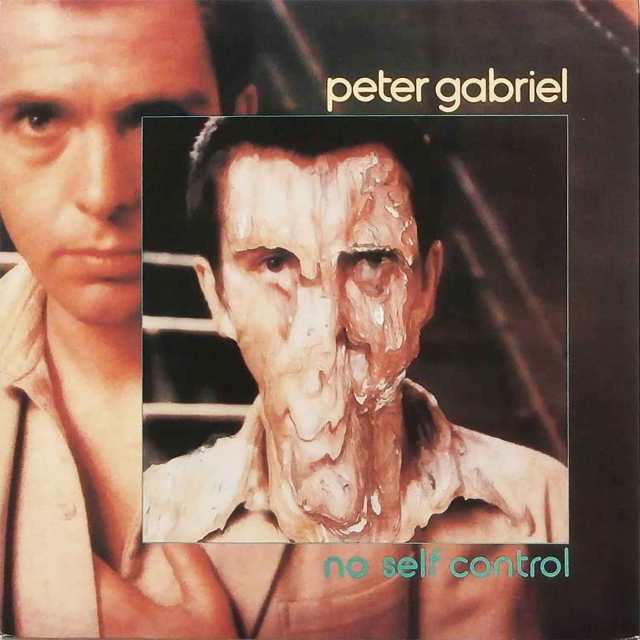
Dual synth riffs ping-ponged between the two channels to coalesce into a single tense synth loop in the intro of “No Self Control,” the second single from the album. Then on the off-beats, the processed sax of Dick Morrissey and the lecherous serpentine guitar of Robert Fripp engaged in a pithy call-and-response for another bar. Then the marimba of Morris Pert began its entrancing polyrhythmic rondo ensnaring all of the disparate elements of the song, as well as our ears, in the compulsive groove..
Highly appropriate, that, since compulsion was the absolute thrust of the song. It was another dark character study, albeit this time of a protagonist who was at least aware of their wrongdoing, even though they were powerless to act against it. Kate Bush and Gabriel contributed single note, rhythmic, backing vocals which occupied the space where violins weren’t in the song. Gabriel vacillated between disaffected and strident vocals in the first two verses while the minimal drumming from Phil Collins, again, barely kept the beat as a subdued heartbeat at the almost subliminal level.
Until the cataclysmic chorus, when the full gated drums of Collins came to the fore via crushing reverse reverb until the violent fills hit like being kicked down a stairwell. Emphasizing the inevitability of the protagonists’ actions; no matter how wrong he thought they were nor how much he protested against it. Doppler shifting guitar descending in pitch took us to a lower level of despair as the twin vocals of Bush and Gabriel mockingly sang the song’s title in falsetto; each of them a ghastly mirror twin of the other while the guitar writhed in agony until the song’s climax.
Then the music bed dropped to just the marimba while the synth loops faded up with the single note BVs. The energy levels circled back to the first verses but the brutal power of the drums didn’t wait for the verse to play out before insinuating themselves in the mix until dropping out for the coda, which left the synth loops and a solitary bongo keeping the time as the song began its retreat. It was astonishing material to be considered for a single release, yet there we were.
The potent combination of “Start/I Don’t Remember” have always been my go-to Peter Gabriel track. The two tracks are so intrinsically joined that I cannot think of them except as a stunning whole. I’m guessing that Gabriel was attempting to grease his royalties by adding another song to the program. That was one of the lessons learned the hard way by bands [like Genesis] in the Prog era that favored side long suites over succinct Pop tunes. “Start” began with a sampled string loop that eventually moved into a melody that had the synth bass join in before ceding the spotlight to Dick Morrissey’s creamy, and mellifluous sax. Meanwhile the string patches sustained an increasingly minor key countermelody under the sax. Until the sax dropped out, leaving only a curdled, minor key note sustaining.
Then the drumbeats hit and a serpentine yowl from Fripp’s skysaw guitar [straight out of “Beauty + The Beast”] set the stage for the nothing less than dramatic, even psychotic, appearance of Gabriel’s voice in the song; ululating and trilling like a gibbering primate. While the Chapman Stick of Tony Levin slithered through the dense thicket of Art Funk. It sounded like he had been listening to David Byrne and had managed to surpass Byrne’s ability to project a nearly psychotic state. The synths spiraling downward and unraveling the music at the end of each chorus echoed the sense of breakdown explicitly.
The backing vocals in the middle eight were yet more of the distorted, metallic BVs that were the calling card of this album. A signifier of the raw, shattered nerves that most of the songs seem to have been built upon. The wordless climax had Gabriel reduced to more animal trills as Fripps’ seagull guitar gave way to the almighty Stick and the diseased, feel-bad groove that persisted until the devastating coda. Where the synths eventually coalesced into a crushing, industrial drone that simply obliterated the song. Leaving Gabriel to whisper tantalizing murmurings that 43 years and countless headphone sessions have failed to shed any light on as the slow motion, grinding tritone of the synths sounded like the futile herald of an inescapable emergency state. Did I imply earlier that Gabriel was using Fripp like Bowie did here? Well, he had also been paying heed to Bowie’s excursions with Iggy Pop, as the coda had more than a little of “Mass Production” in its DNA. And he wisely gave it plenty of room, almost a minute, to play out its stultifying, entropic vibe.
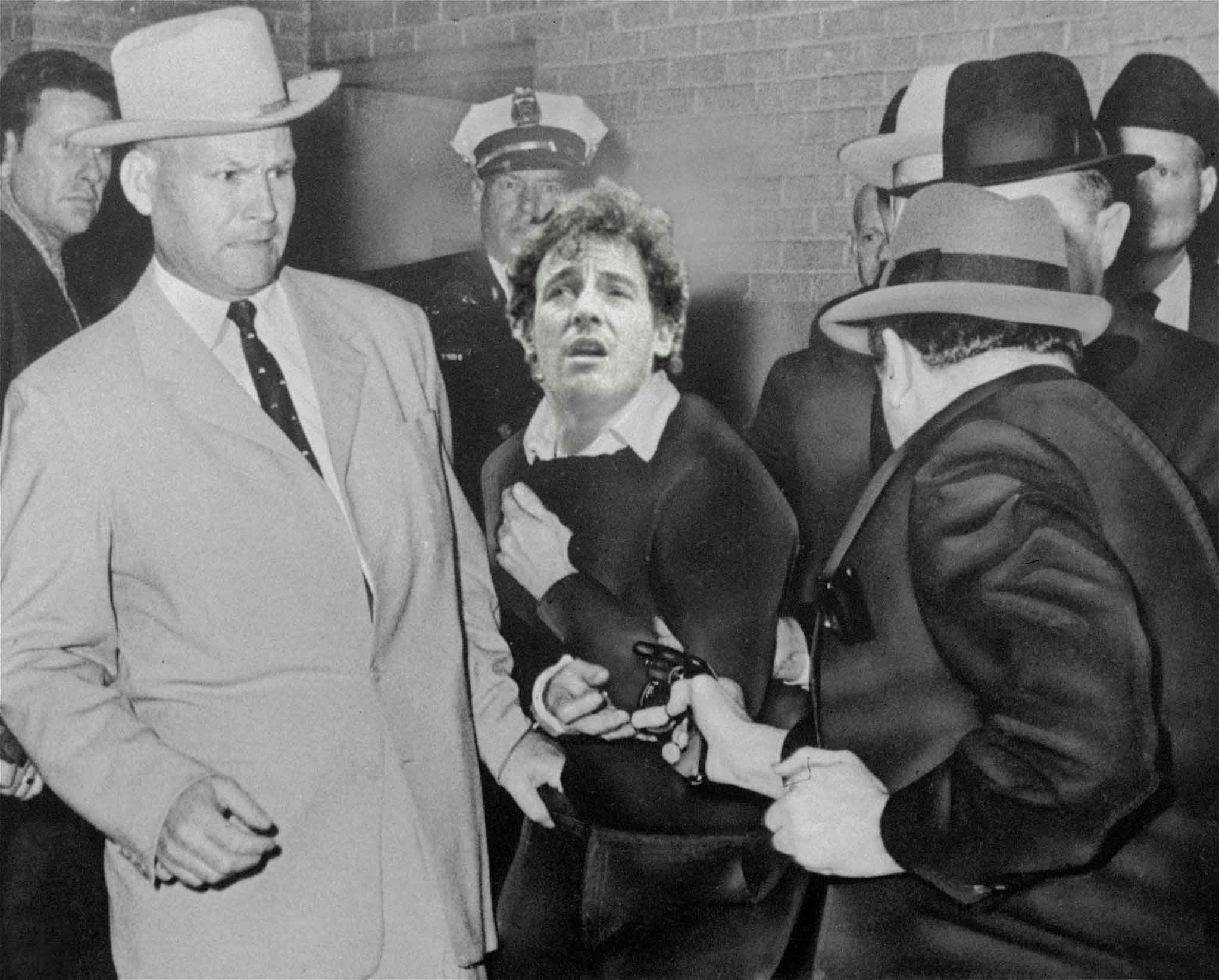
I’ve been listening to “Family Snapshot” for 43 years now and I’m only now just uncovering new and fascinating facets of it which were previously opaque to me. The song began intimately, with simple piano accompaniment as we listened to the song’s protagonist begin to outline the scenario of the planned killing with all of the melodrama and pathos of a song of self-actualization. Think of Ian Hunter’s great, presumably autobiographical, “Irene Wilde.” Only this was not Ian Hunter singing about growing up and making something of himself. It was John Kennedy’s assassin, proclaiming how he will ultimately matter in the world by taking a life. No names were mentioned, but the detail of the day’s events as recounted here were just too close to what happened in Dallas that day to be anything otherwise to me.
Following an emphatic climax to the otherwise placid first verse, the second verse increased the accompaniment to heighten the tension with sustained synth chords and a fretless bass solo from John Giblin. The middle eight was where Gabriel began to play his hand like a card shark. As the drumming began and rhythm section began to cook, the first clue to Gabriel’s surprising intent was the appearance of the saxophone and glockenspiel in the middle eight. After hearing this song hundreds of times, I have finally realized Gabriel’s brilliant conceit of him framing the Kennedy Assassination… as a Bruce Springsteen street melodrama! The third verse pulled out all of the stops and added propulsive cowbell to the triumphant sax, while making certain to instill lyrical references to motorcycles in a cunning simile to “Born To Run’s” streetwise lyrical milieu. Framing the internal scenario of Kennedy’s assassin as anything as self-aggrandizing as Bruce Springsteen’s protagonists constructed for their own storylines.
Where Gabriel differed greatly from early Springsteen was in that in the beginning of his solo career, he had learned painful truths from working with Bob Ezrin on his first album. He had learned that piling on bombast was no direct path to meaning, as with his 1st version of “Here Comes The Flood.” Gabriel had learned that simplicity and intimacy was a better means to convey impact as his second recording of “Here Comes The Flood” on Robert Fripp’s “Exposure” album had shown. So at the point of climax in the song as the trigger was released, the song pulled back its fevered, widescreen scope to a single spotlight on its now darkened stage; leaving only bass, and then piano as accompaniment for Gabriel’s plaintive ruminations on the painful childhood foundations of the monstrous act at the heart of the song. Entirely appropriate as Gabriel’s wife at the time, Jill, was a psychoanalyst. The pithy lyrics she wrote for Gabriel’s “Mother Of Violence” on his previous album were surely the sparks that lit the kindling of this later song.
My esteem for “Family Snapshot” has increased dramatically after all of the listening to this album I’ve done in the last month to the point where this is now one of my crucial Gabriel tracks. In the end, it ran the gamut of points of view for the assassination at its core. From depicting the elaborate and heroic internal fantasy that the killing represented for the man pulling the trigger, to the final harrowing glimpses of his childhood that set him inexorably on this path. Daring us to empathize with a monster as Gabriel had by now proven his songwriting mastery beyond the shadow of a doubt.
Next: …She’s So Popular






![Want List: Visage DLX RM […finally!]](https://i0.wp.com/postpunkmonk.com/wp-content/uploads/2018/11/visage-dlxrmuscda.jpeg?resize=200%2C200&ssl=1)


 Post-Punk Monk
If this entry doesn’t inspire everyone of the fine folk who hang out here on the regular to revisit this masterpiece … jack, you dead!
LikeLiked by 2 people
I have never actually heard a Peter Gabriel album!
I am aware of quite a bit if his work as a peripheral character in my Fripp and Laurie Anderson collections,but apart from several hit singles I quite liked,I have never been that bothered to investigate.
His Fripp collabs should really be my first port of call I suppose
LikeLiked by 1 person
Gavin – The two Fripp albums [II, III a.k.a. “Scratch” and “Melt”] should definitely be in your domain. If only for the Frippery!
LikeLike
I’m sure your readers will be thrilled to hear that I just bought a box set of the first three albums on cd!
LikeLiked by 1 person
Gavin – And I also always forget that Bobby Fripp also played guitar [and banjo…!] on the first Gabriel album, but the Bob Ezrin production I think struggled to showcase him in the normal way that usually had so much impact.
LikeLike
Start was Dick (my step-dad) warming up in the studio and Gabriel saying, right we’re keeping that
LikeLike
Mattias Matthew Orre – Welcome to the comments! So that was an unplanned intro, eh? Well the juxtaposition absolutely made the song and thankfully the tapes were rolling when Mr. Morrissey was waxing eloquent for a warmup. “I Don’t Remember” would be nothing without “Start” immediately before hand. Together they’ve been my favorite Gabriel song for 45 years now.
LikeLike