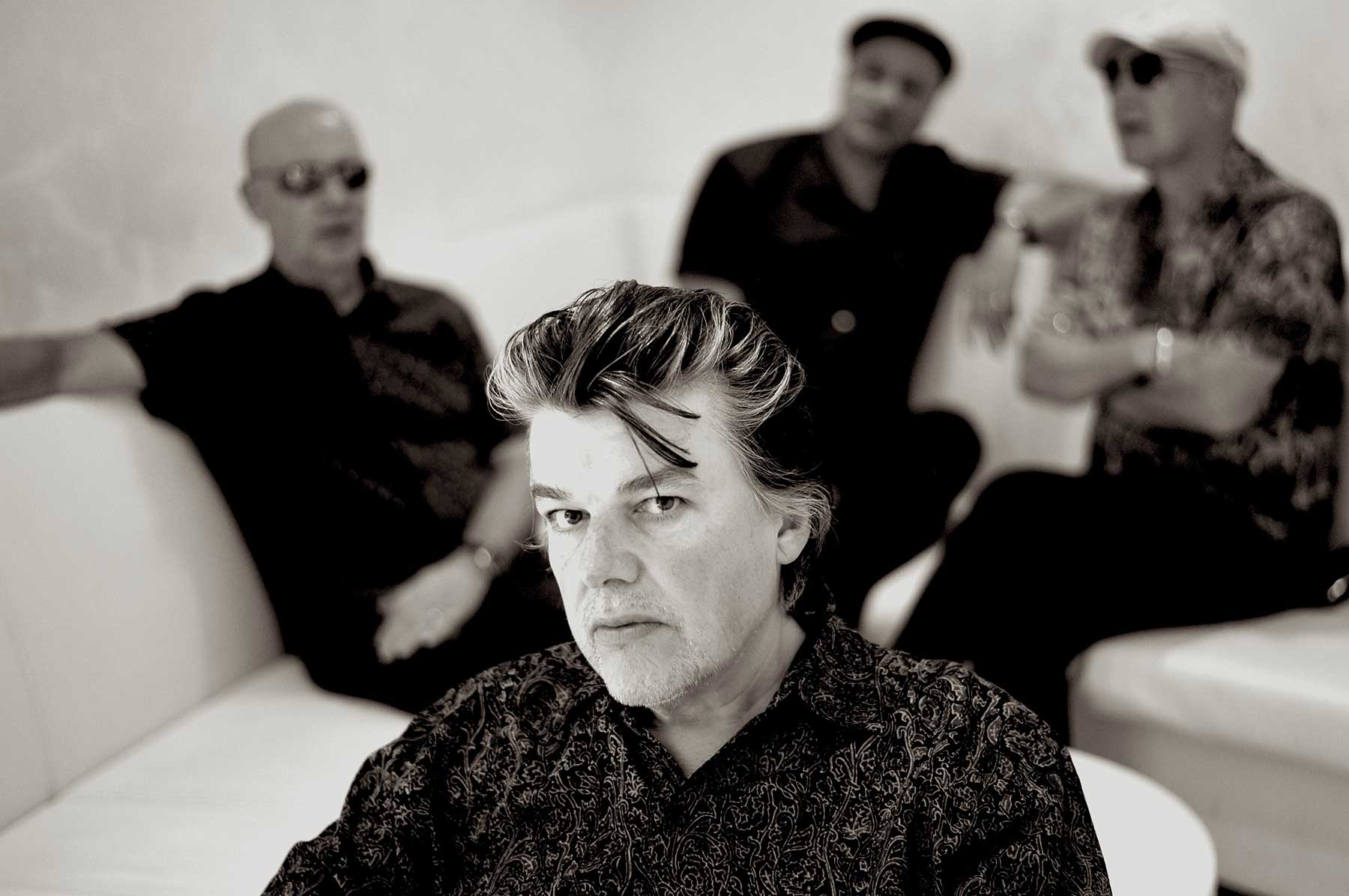
One of the real pleasures of the 21st century has been the occasion of favorite bands reforming and giving it another try before it’s too late to bother. In the case of groups like OMD, it was a sense of correcting a trajectory that they might not have wanted to have been the last word on their legacy. But not every band who regroups is trying to atone for missteps.
When The Blow Monkeys called it a day in 1990, it was for the best of possible reasons; they felt the band had run its course in the marketplace. As the 90s were dawning, the changes were coming fast and furious; Manchester Baggy and Hip Hop were rising in the US/UK markets. Rave and grunge were bubbling up to a position of dominance. Even as their final album [“Springtime For The World”] prefigured the Ambient World/Ibiza chillout vibe to the utmost, it was about a year or more too early to market to capitalize on that emerging scene. Not many bands have a sense of their own mortality, but The Blow Monkeys did, and wisely decided to step out of the limelight; leaving us wanting more.
When singer/songwriter Dr. Robert re-emerged in full solo flight in 1994 with “Realms Of Gold,” he had consciously moved away from the glamsoul roots of The Blow Monkeys for something a little more grounded and less consciously fabulous as he sought to hone his songwriting in a more classic direction. Five solo albums and a collaboration album with singer P.P. Arnold followed, and after an 18 year break, he had felt that it was the time for The Blow Monkeys to regroup and forge their path anew now that the Pop treadmill would no longer be an issue.
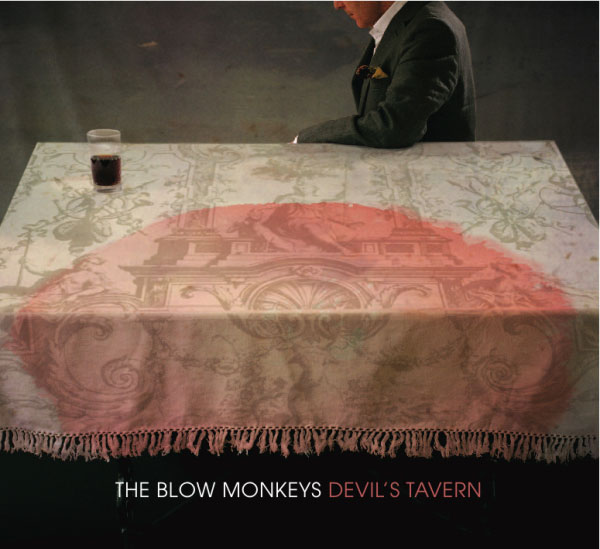
It made all the sense in the world. The band had never really had internal stresses. They all got through it on good terms with one another and were ready to play again. The year 2008 brought forth the “Devil’s Tavern” album and the band had no issues with picking up with the threads of their career and the songs kept flowing. Dr. Robert was a productive songwriter and the band had no problem in continuing at a pace far in advance of their peers with six studio albums over the fourteen year period from 2008 to 2021.
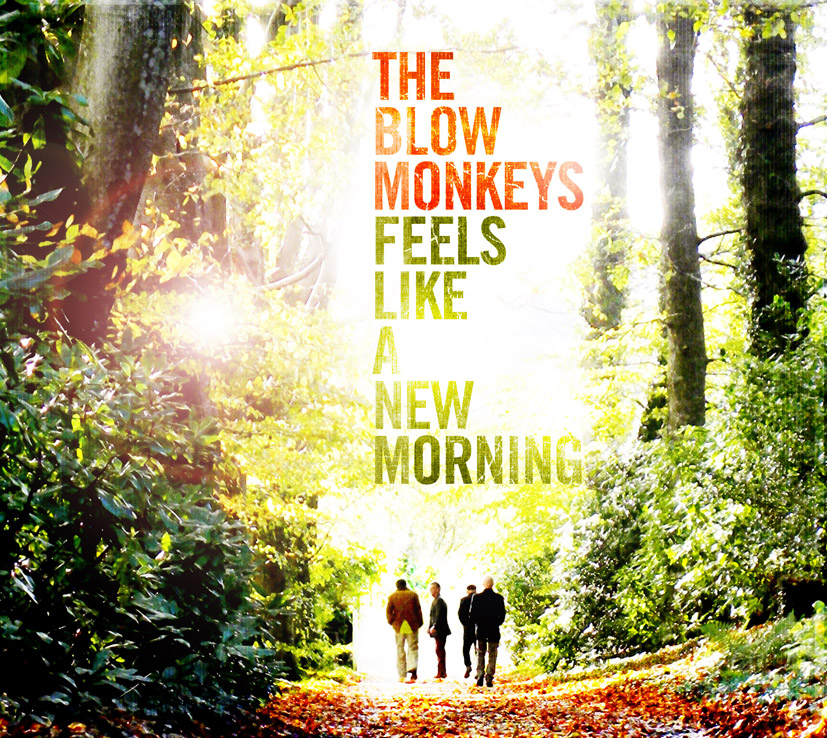
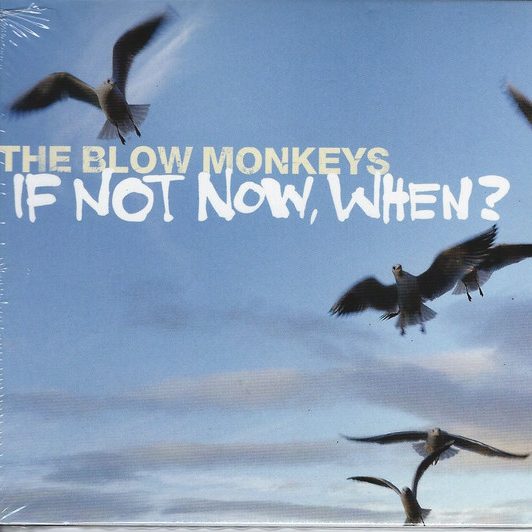
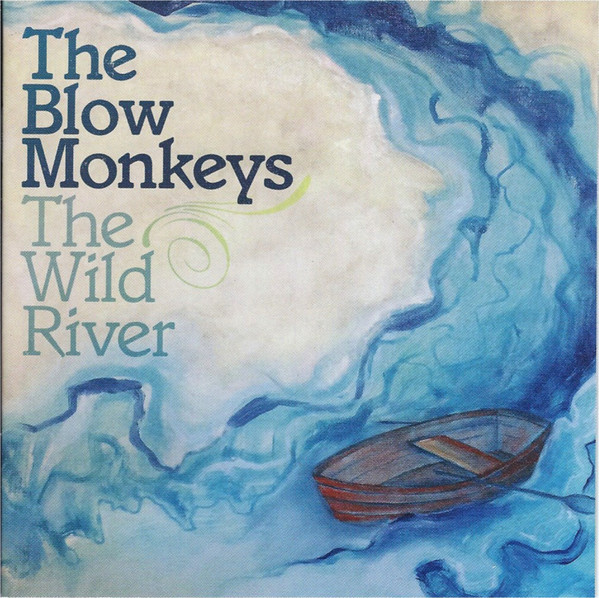
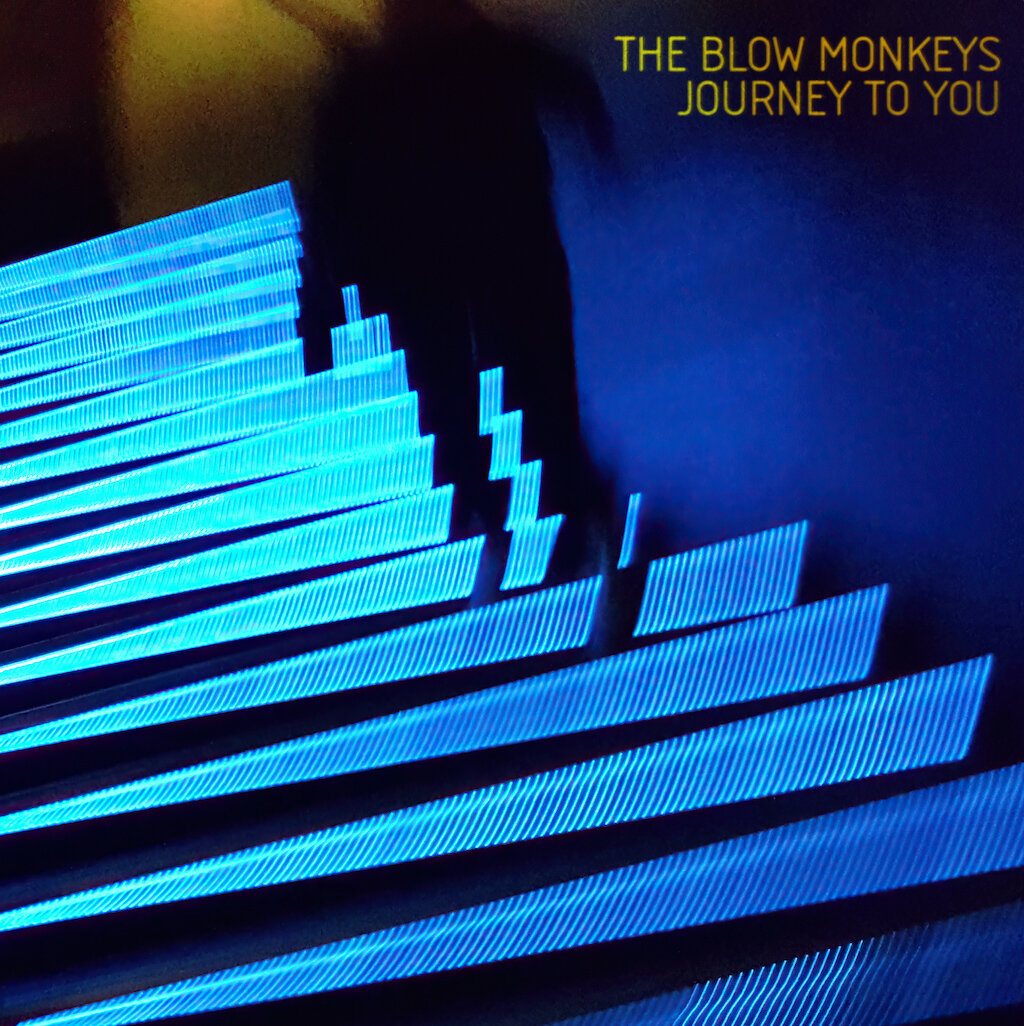
And even in that time span, Dr. Robert kept up with a further solo release, “Out There,” for a place for songs outside of The Blow Monkeys purview in 2016. He also joined the musical collective Monk’s Road Social who have released four albums with him playing, writing, and co-producing. Not to mention producing both of fellow Monks Road Social contributor Peter Capaldi’s albums [the second one is due out soon].
Following their last opus, “Journey To You,” which played like a greatest hits album in 2021 all on its own, the time was obviously right for an overview of this second, fertile period for the band to be captured on a single disc. So the band have worked with Last Night From Glasgow who are releasing “Time Storm: Greatest Hits Vol. 2” this Friday, October 27th. We thought it cogent to have a discussion about this vibrant second wind of material from the band before they prepare their next album for release next spring; also on Last Night From Glasgow. Ladies and gentlemen; let’s hear it from the man called Dr. Robert.
TRAVELING SOULS
Post-Punk Monk: So you’ve been back for now for 15 years it’s been incredible run. Your debut album of the Blow Monkeys was a real consistent piece but after that I’ve noticed that the albums that followed quickly began to stylistically sprawl, so you’ve never made the same album twice. So what spurs your writing process? Is it more internal or external, and how has that changed over time?
Dr. Robert: I’d say it’s both internal and external… it’s just whatever comes up. I take whatever the universe offers whether it be something somebody said or something that I’ve just thought or a melody that’s come to mind when I’m just strumming in the bathroom. I love to strum the guitar in the bathroom. Great acoustics… the best place for it! All that kind of stuff really. I don’t really have any set method you know, but the only thing I know is that you can’t just sit and wait for it. You have to conjure it. You have to want to, right? And then things start to flow, so I’m lucky I’ve not ever had a block in that sense. I don’t see the point of making the same album twice if youcan do it.
Obviously there are things in it that are a continuum, you know? The style of writing and whatnot, but I try to do something new and we’ve just about finished a new one, which is often a reaction to the last one. So “Journey To You” was kind of… quite orchestral … sort of big. Sort of sweeping. Kind of what the Blow Monkeys would have been known for in the 80s in a sense and so we just made a new one that’s coming out next year, which is very stripped down. Very kind of raw. I’m really happy with it and it’s kind of opposite to where we were going on “Journey To You,” and I like doing that. It keeps it interesting.
P: Oh yeah. One of my favorite albums of yours is “Flatlands” which is as raw and intimate as it gets, really. So that one…that’s when I really stood up and took a notice and said, “wow, he’s really entered a new phase of his songwriting here… this is completely apart from the type of music he was known for in the 80s.”
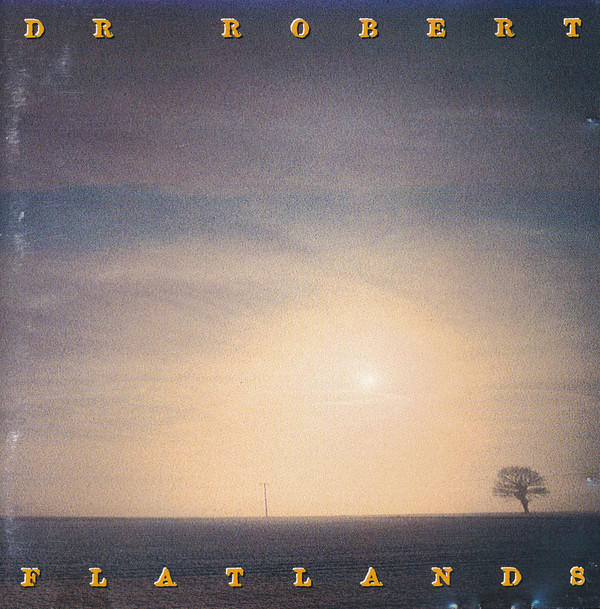
R: That’s great ‘cos that’s one of my favorites too, and I’ve got a little machine here… I’ve still got it. It’s an eight track tape machine that I had ever since 1986 and I used to demo on, and in the end I thought, “well I like the sound of that I just want to put that out, you know?” And I could do that on “Flatlands” and there was a theme going through the songs. And yeah I’m really happy with that. That’s one of my favorites and to be honest, my wife Michelle, was really the co-producer on that because every time I tried to put a compressor on the voice or an effect on this and she said, “oh what’s that noise… take it off… it’s in the way.” Which I interpreted as okay, just strip it back and be as real as possible. I’m glad you like that one because that’s one of my faves.
P: I’m glad you listen to your wife because she obviously knows what’s going on!
R: Not always! [laughs]
P: One of the things I like about your approach to music is also one of the things you don’t maybe don’t get credit for like your guitar playing. Because you single-handedly rehabilitated the wah wah pedal on “Animal Magic” after it being exiled for like a decade, and the guitar playing on “Animal Magic” was really the point of entry for me where I said, “wow this is a real pleasure to listen to.” Do you feel like sometimes that you’re writing overshadows the playing in your mind because you’re an excellent player as well?
R: I think it has done in the past. I mean, when I started going solo and I was playing acoustic guitar on my own, they would come and go, “well I didn’t realize you could play guitar.”
P: Right.
R: That’s partly my fault because on the big exposure programs in the UK, especially on TV and that, I would often just sort of ponce about on that with a guitar you know? We’re miming right?
P: Exactly. Everyone does it.
R: I started as a guitar player. It’s gradually come to the fore and even when we play now, there’s only the four of us on stage. Drummer, bassist, me playing the guitar, and Nev playing saxophone and often it’s just the three of us when he’s not playing, so you know, it’s very stripped back and there’s always been a connection between my singing and my guitar playing. I like the connection. Even when I do vocals in the studio I used to have a guitar there. It just seems to form a special connection for me.

I have no reputation as a guitar player except amongst fellow musicians who I’ve played with because, you know, I played bass with Paul Weller and stuff like that like that. He was a big influence on my guitar fan when I was growing up, but then, so was Marc Bolan, and so was Hendrix, though I could get nowhere near that. I still like Curtis Mayfield… you know the Curtis Mayfield style of playing and all that. You know it’s just it’s all in there and Ernie Isley talking about the wah wah [guitar] you know. And the folk musicians as well, later on. People like Tim Hardin and Fred Neil.
BACK TO THE ROOTS
P: Yeah, the early Blow Monkeys material was was more fabulous and ornate in its orientation with the Glam Rock and camp that you like to dip into. But over time of course, the material’s gotten more sophisticated and holistic and “Oh My” on “Feels Like A New Morning” really united the personal and political within a folk context. Would you say looking back, that the “Other Folk” album was where you really said, “okay this is where I’m going to get serious about moving into more of a classic songwriting tradition.” Being less glib and showbiz about things?
R: I don’t think that I would have thought in that way. I’m not that calculating, you know? I suppose the big change was from was the first solo album, “Realms Of Gold.” That would be the period where I had couple of years off and I had left the band and we had moved out of London and I had a young family. And everything had changed and as they say “the cars stopped coming and the phone stops ringing,” and all you’re left with is an acoustic guitar in my case and the music.
And so I had done a lot of a kind of archaeology. I’d really gotten into the whole Greenwich Village thing and I’d dug deep into the Harry Smith Folk Anthology, and you keep going back and you keep going back, and you end up somewhere in the 16th century in South Carolina, you know. Which is where, funny enough, a lot of my family went to from Scotland and Ireland. When they do those DNA searches it comes up there, so there is a connection for me with that kind of Scottish folk music and all that. So I had to absorb and relearn all that because you know in the Blow Monkeys I didn’t set out to be deliberately glib or glam. It’s just that’s who I was. That’s where I was at. I was doing my best, but I didn’t really have the grounding and I had some far-off notion.
I was kind of making it up, which is in some way special because you know that’s what makes it interesting. Because the guy who was writing “Limping For A Generation” had no idea how to construct songs or sing or any of that really. So you know, I don’t like it when it gets too learned, but none of those moves are kind of deliberate. They’re just sign posts. That was a difficult period for me; the early 90s, because everything had changed and people weren’t really listening but I was making albums and it was important to me to put them out whether or not they were kind of getting a lot of coverage or not, because they were sign posts for me and “Other Folk” was a kind of tip of the hat to the things that really inspired me post-Blow Monkeys, the first incarnation. And having played a lot of solo acoustic gigs I knew how important it was to really inhabit the material. To really be inside the song, because then it’s impenetrable. Whether then people clap or like it or don’t like it or whatever, it’s authentic.
P: Yeah, it’s a move to towards integrity and I totally understand that because that’s the kind of thing that you can only do over time as you mature and gain wisdom, going through this whole process.
R: Yeah, but there’s an authenticity to the early stuff too because I generally didn’t know what I was doing. It’s not contrived, it’s just me being a fan. “Oh I think I’ll write a soul song,” so you know that “Animal Magic” starts to appear and things like that, because you know it’s all part of my upbringing. And my kind of memory and the things that I was exposed to. So it’s all in there, but yeah, obviously as you go along the bullshit detector is more active and it’s more accurate. And I can I can sense a good idea earlier on in sense of if I’m really believing in this song. If I’m inhabiting it and whatever’s going on lyrically. I’m not really a storyteller. I’m more a kind of impressionist. I write about what’s going on in my life and try to abstract it and try to pick up the universal themes within it.
So then I thought “well I’m really missing being in a band.” I enjoy that. I enjoy being a band leader and so it was obvious that the thing to do was to get the band back together
Dr. Robert
REFORMATION PERIOD
P: How did it feel to reform the band 18 years later? Was it simply down to a case of “okay the kids are grown… I’ve gone through my period of solo music… I’ve refined my songwriting processes in different ways?”
R: Yeah, partly. It was partly to do with the fact that it was 18 years later. That’s no coincidence that everybody in the band had reached that point where their kids were no longer fully dependent on them, which is a big one. So then I thought “well I’m really missing being in a band.” I enjoy that. I enjoy being a band leader and so it was obvious that the thing to do was to get the band back together, because we’ve got history. We’ve got that, but I just made sure. And I said to them that at the time that the whole thing was about making new records. And that we would be making a lot of new records. Obviously, we’re going to play things that people know us for, and there will be sometimes when we might do “80s festivals” and things like that, but we’re not going to just do nostalgia. We’re not just gonna do that. And that’s kind of what we did.
P: Yeah, and you’ve done a very amazing job of that. I would say that I actually prefer to your second phase to your first phase. You know… the one that made me a fan. Because you just go from strength to strength. The last album was like a greatest hits record in and of itself! I can’t help but notice that on the CD of “Time Storm,” there are six tracks from it. That’s no coincidence, you know?
R: That’s right. They wanted to do a new compilation of the best of stuff and I thought well that is the “best of” really. To be honest. You know there were things I really like about “The Wild River.” There were things I really like about “Feels Like A New Morning,” in particular, but I think I think “Journey To You” is the best of what we’ve done since we’ve been reformed… except for the new one! Well that’s what you always think, you know? I mean, that’s not for me to say, but that’s what I feel. So anyway you’ll find out soon, because it’s coming, but yeah…there are a lot of tracks from that album. You’re right.
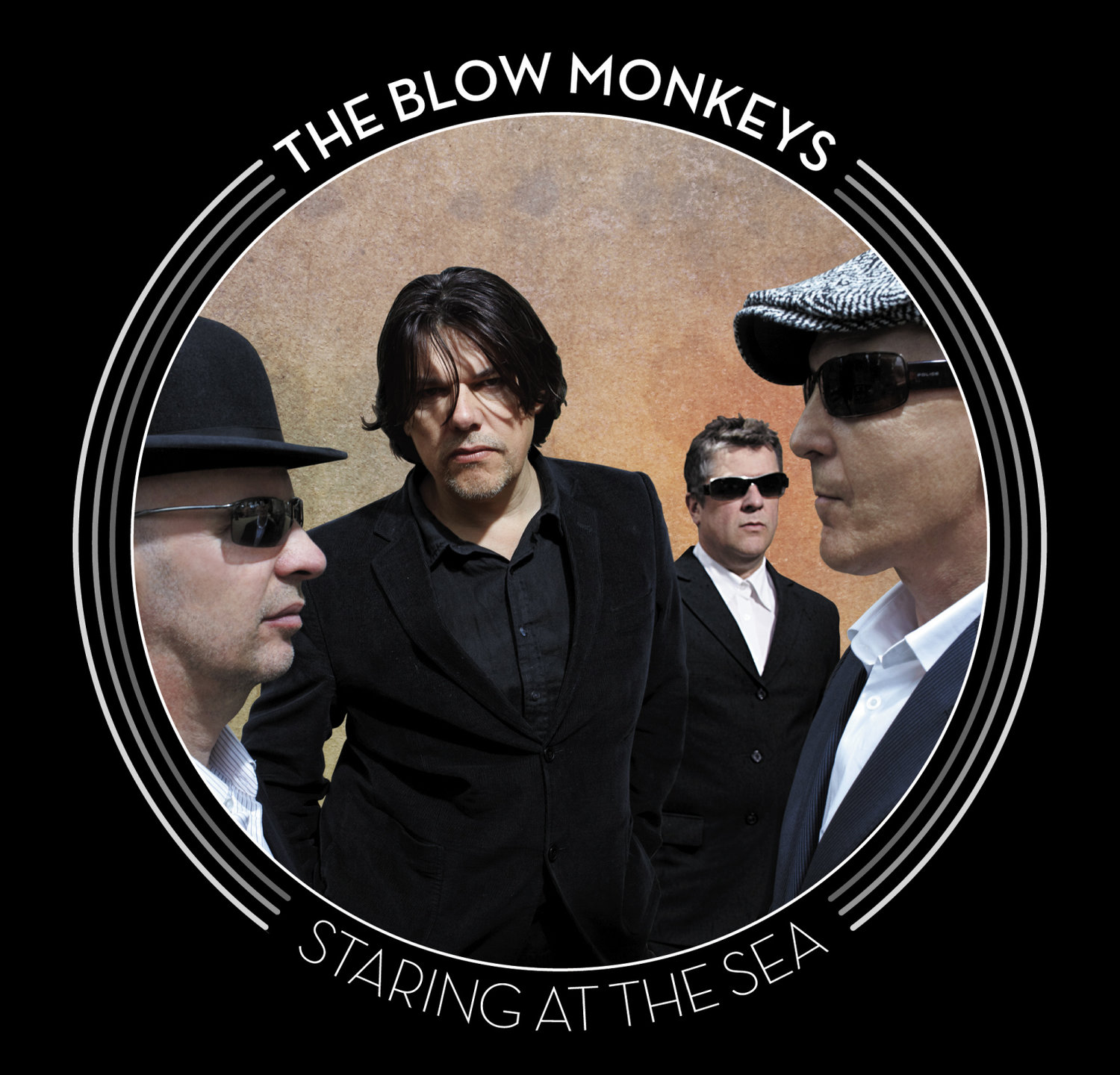
P: The one thing that did surprise me though, was that there were no songs from “Staring At The Sea.” If it were up to me, I would have said “put ‘Seventh Day’ on there,” because you really stick the boot in on your guitar playing! It’s very fiery.
R: That’s more a label thing. That’s to do with the fact that it’s on a different label. We’re working on it, but I would have probably put “Staring At The Sea” the song as well on there.
P: “Staring At The Sea” is beautiful.
R: Yeah, but we’re working on getting that one back so that we can use it.
P: I thought that was done on Cherry Red and I saw you that you license it to them, so I thought all of your modern albums were band owned?
R: No, we got all the stuff back. That wasn’t on Cherry Red. That was on… that was on something called…
P: Oh, that’s right FOD Records [pronounces it like a word]; the Canadian label.
R: Field Of Dreams or whatever they call themselves. F.O.D. – FOD Records. [laughs] So we’re going to get to work on that one. The rest of it we do own.
Next: Boogie Down Production




![2025 : The Year In Buying Music [part 2]](https://i0.wp.com/postpunkmonk.com/wp-content/uploads/2026/01/2025-buying-stats-1.jpg?fit=1200%2C620&ssl=1&resize=200%2C200)
![2025 : The Year In Buying Music [part 3]](https://i0.wp.com/postpunkmonk.com/wp-content/uploads/2025/10/steven-jones-fluid-japan-truthdl.jpg?resize=200%2C200&ssl=1)
![2025 : The Year In Buying Music [part 1]](https://i0.wp.com/postpunkmonk.com/wp-content/uploads/2026/01/2025-the-cull.jpg?fit=1200%2C900&ssl=1&resize=200%2C200)

 Post-Punk Monk
Speaking as someone who has interviewed many bands over the years, I can say definitively that musicians lurve talking to someone who is genuinely aware of and thoughtful about their oeuvre, as opposed to either an uncaring “music writer” or a fawning obsessive.
I think the depth of his responses tell the tale here, and I hope he enjoyed chatting with you.
LikeLike
Pingback: New Blow Monkeys Album “Together/Alone” almost Ready To Reach Ears This Friday | Post-Punk Monk
Pingback: The Next Blow Monkeys Album, “Birdsong” Is Already Preparing For Takeoff This August | Post-Punk Monk